Hadiri Nikahan Putra Mantan Ratu Bulu Tangkis China, Susy Susanti Jadi Nostalgia: Siapa yang Ingat Huang Hua? : Okezone Sports
Hadiri Nikahan Putra Mantan Ratu Bulu Tangkis China, Susy Susanti Jadi Nostalgia: Siapa yang Ingat Huang Hua?
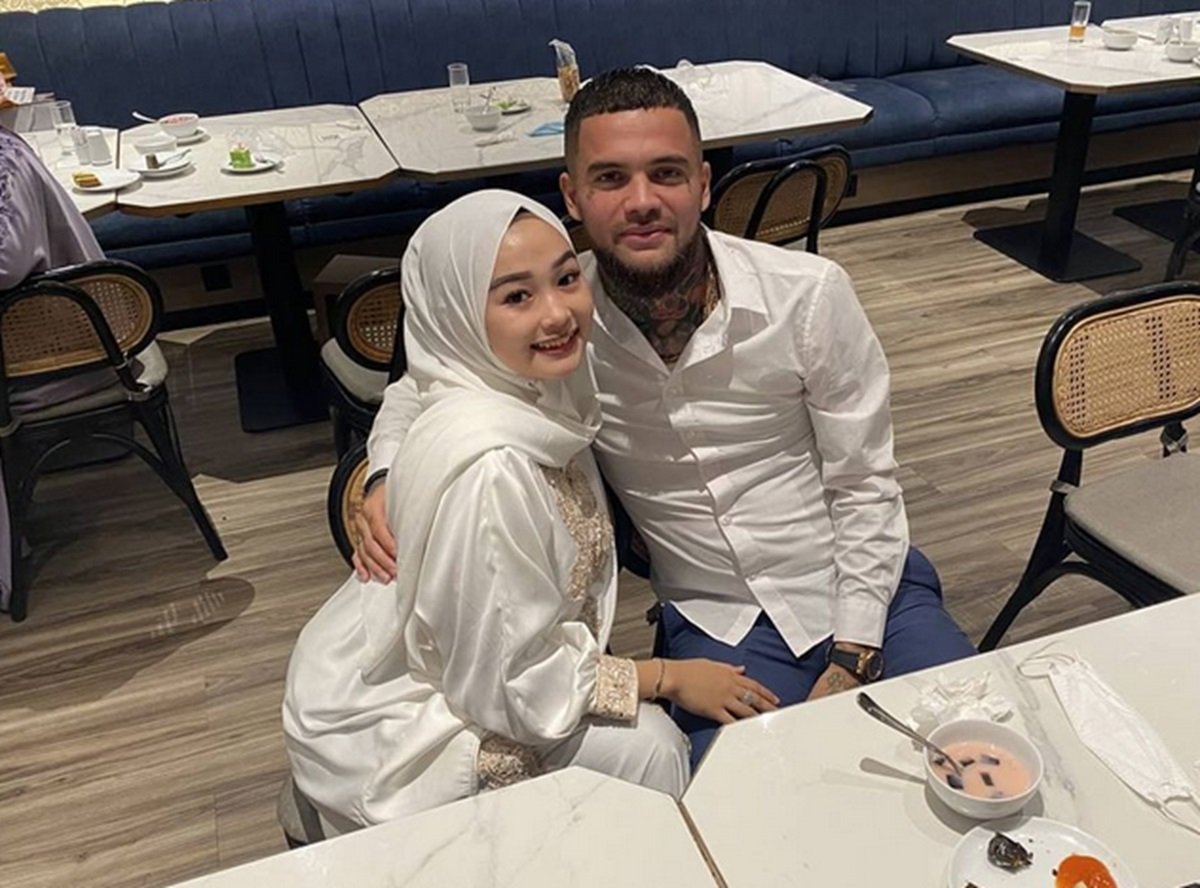
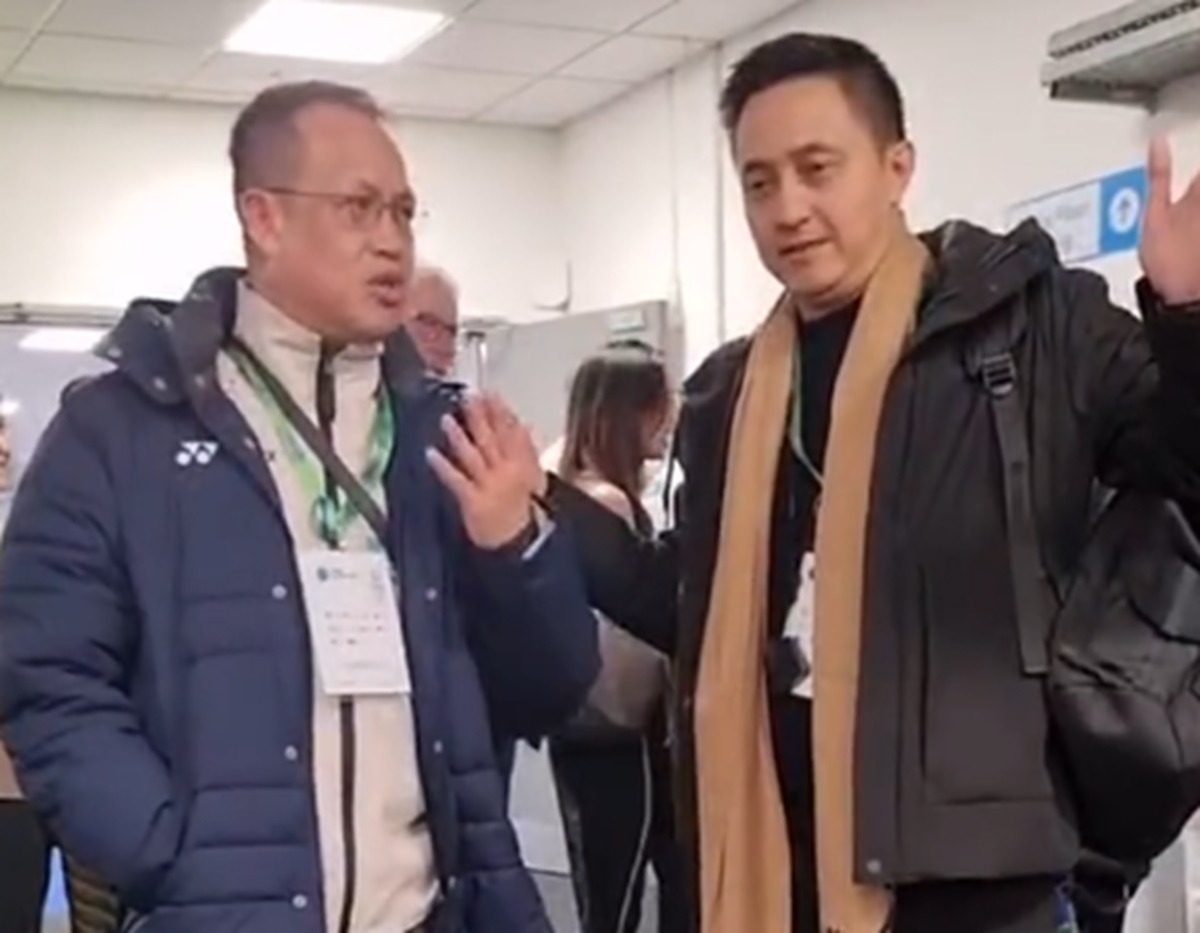
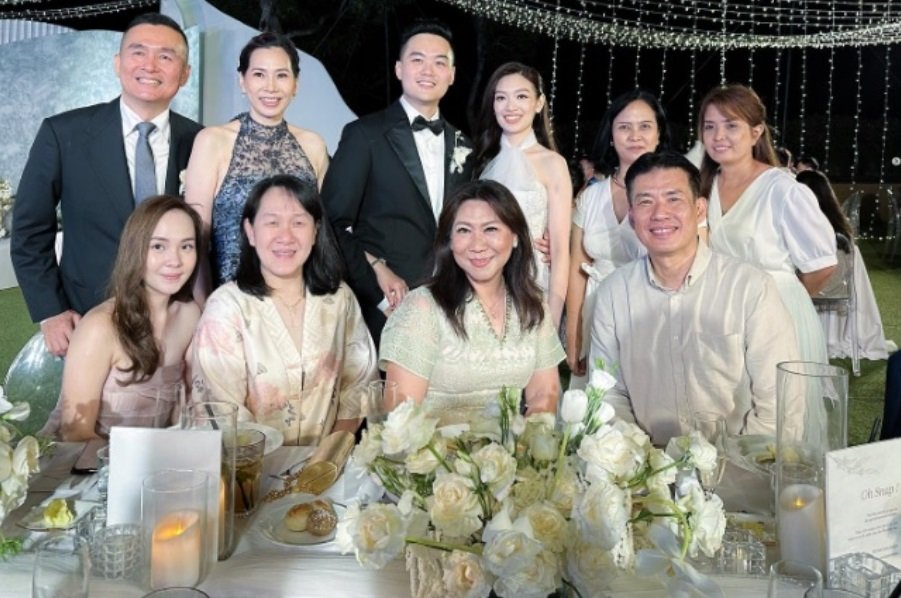
Jakarta – Mantan ratu bulu tangkis Indonesia, Susy Susanti, baru-baru ini menghadiri pernikahan putra mantan pemain bulu tangkis legendaris asal China, Huang Hua. Kehadiran Susy Susanti di acara tersebut membuat banyak orang teringat akan masa kejayaan bulu tangkis pada era 1980-an.
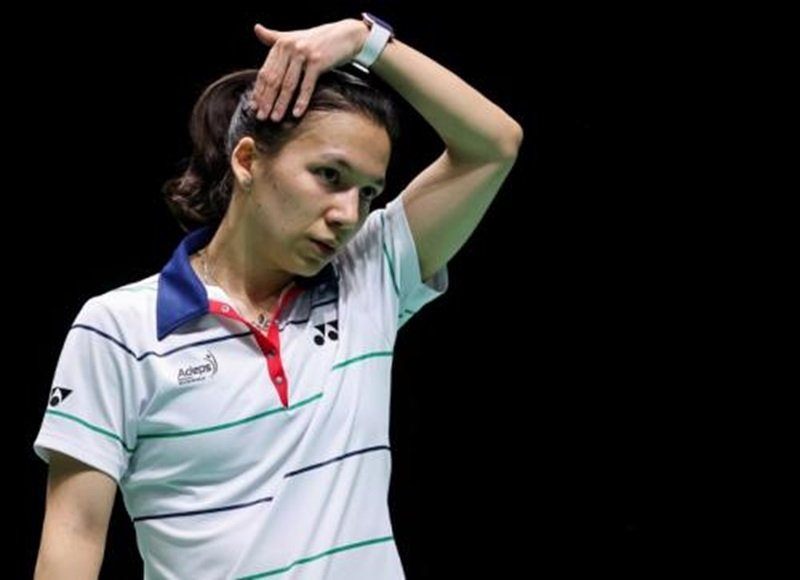
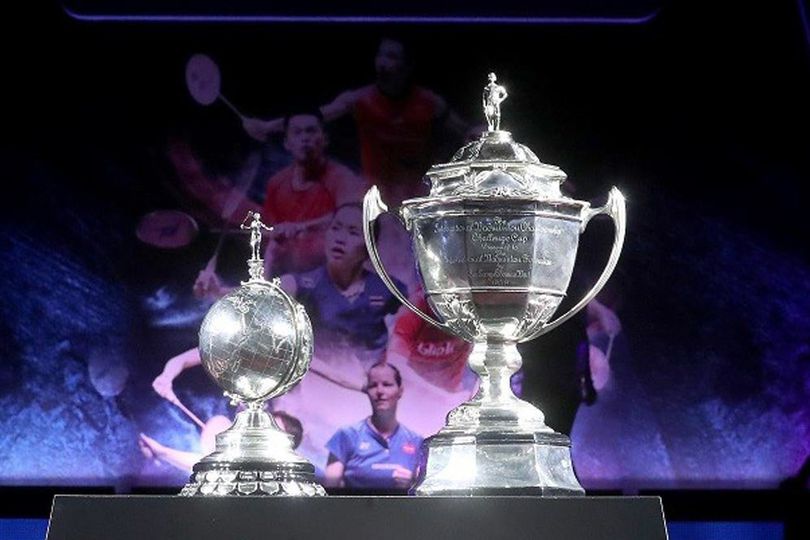
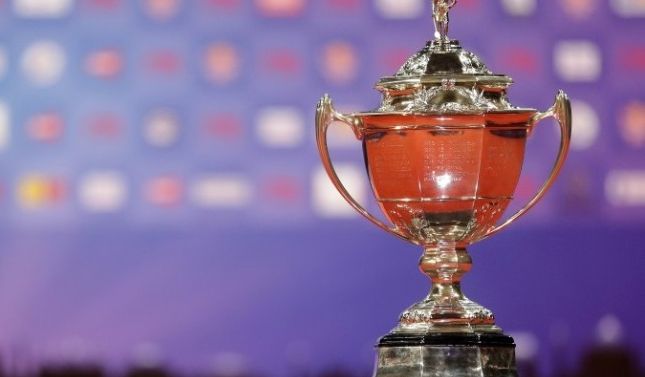
Huang Hua merupakan salah satu pemain bulu tangkis terbaik pada masanya. Ia berhasil meraih berbagai gelar juara di berbagai turnamen bergengsi, termasuk All England dan Piala Thomas. Keberhasilannya dalam dunia bulu tangkis membuatnya dijuluki sebagai “Raja Hua”.
Pernikahan putra Huang Hua, yang merupakan pemain bulu tangkis pula, menjadi momen nostalgia bagi para penggemar bulu tangkis. Hadirnya Susy Susanti di acara tersebut semakin menambah kesan nostalgia tersebut. Susy Susanti sendiri merupakan salah satu legenda bulu tangkis Indonesia yang berhasil meraih berbagai gelar juara, termasuk medali emas Olimpiade.
Siapa yang tidak ingat akan kejayaan bulu tangkis pada era 1980-an? Saat itu, Indonesia dan China menjadi dua kekuatan dominan dalam dunia bulu tangkis. Pertarungan sengit antara para pemain dari kedua negara tersebut selalu menjadi tontonan yang menarik bagi para penggemar bulu tangkis.
Meskipun sudah lama pensiun dari dunia bulu tangkis, namun kehadiran Susy Susanti di acara pernikahan putra Huang Hua membawa kembali kenangan indah akan masa kejayaan bulu tangkis pada era tersebut. Para penggemar bulu tangkis pun turut merasa bahagia dapat melihat kembali dua legenda bulu tangkis dari dua negara berbeda bertemu dalam satu acara.
Semoga kehadiran Susy Susanti di acara pernikahan putra Huang Hua menjadi awal dari kerjasama yang lebih baik antara Indonesia dan China dalam dunia bulu tangkis. Kedua negara memiliki potensi besar dalam dunia bulu tangkis dan dapat saling mendukung untuk mencapai prestasi yang lebih tinggi di masa depan.
Terlepas dari itu semua, pernikahan putra Huang Hua juga menjadi momen bahagia bagi keluarga tersebut. Semoga keluarga yang baru saja membina rumah tangga dapat meraih kebahagiaan dan kesuksesan dalam hidup mereka. Selamat menempuh hidup baru, semoga cinta dan kasih sayang selalu menyertai kalian.